ServicesEmergency Dentistry
Emergency Dentistry in Lake Dallas
A throbbing tooth, a cracked molar or a crown that came loose at dinner is hard to ignore. We find out what is causing the problem, relieve the pain with gentle care and explain your options before any treatment starts.
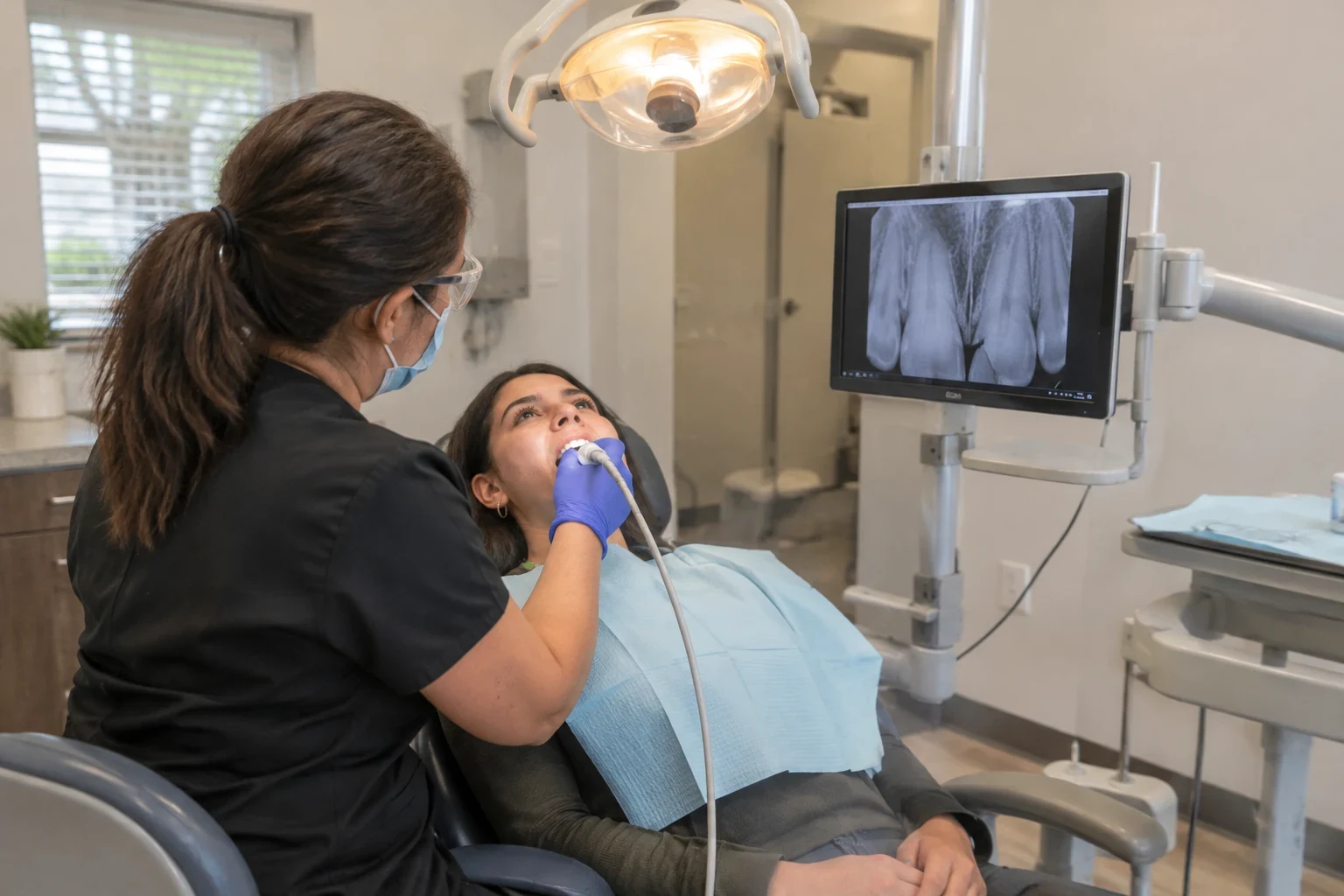
Urgent Dental Problems, Handled Carefully
Most urgent dental visits come down to a few things: an infected nerve, a tooth that broke, a lost filling or crown, or swollen gums around a wisdom tooth. Each one needs a different fix, so we start by finding the real cause instead of guessing.
Safety comes first in our office. Before we numb or treat anything, we review your health history and medications, take digital X-rays and, when the tooth or jaw needs a closer look, a CBCT scan. That keeps treatment predictable and avoids surprises for patients on blood thinners or with heart, diabetes or allergy concerns.
Once you are comfortable, we lay out what can wait and what should not. You leave knowing the next step, whether that is a root canal, an extraction or simply a smoothed edge and a temporary filling.
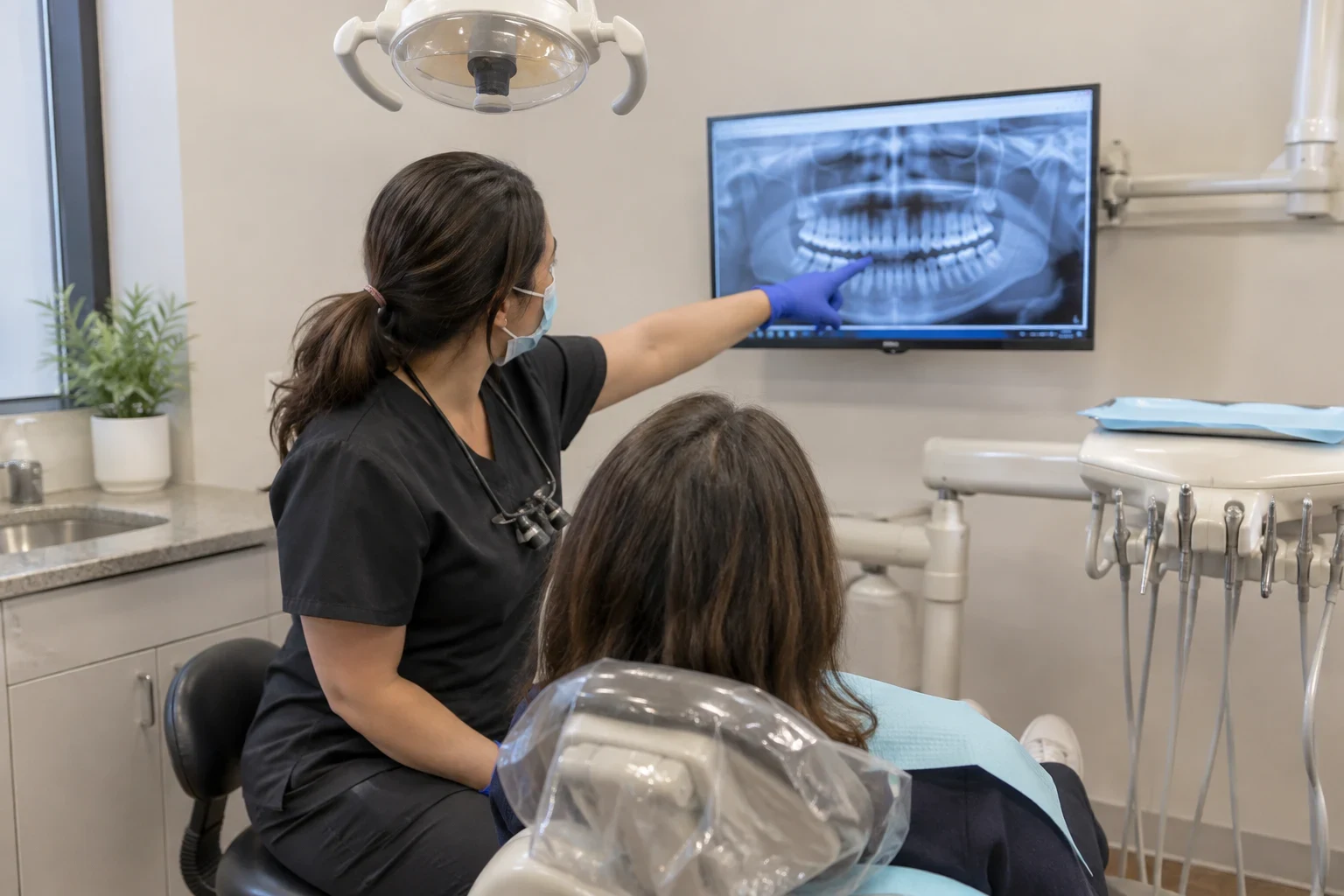
What an Urgent Visit Includes
- 01
A focused exam
We look at the tooth that hurts, the teeth around it and the gums. We check bite, temperature sensitivity and tapping response to narrow down the cause.
- 02
Digital X-rays and 3D imaging
Digital X-rays show decay, infection at the root tip and hidden cracks. If we need more detail, a CBCT scan gives a 3D view of the tooth and bone.
- 03
Pain relief at the visit
Depending on the cause, that may mean draining pressure, placing a sedative filling, recementing a crown or removing a tooth that cannot be saved.
- 04
A medication and allergy review
We ask about every prescription, supplement and allergy so anesthetic and any prescriptions are safe for you.
- 05
A written treatment plan
You get a clear plan for follow-up care with the cost explained, so you can decide without pressure.
Questions about Emergency Dentistry?
Call(940) 260-3252Signs You Should Get Seen Soon
Pain that wakes you up
A toothache that throbs at night or lingers after hot drinks often means the nerve is inflamed or infected. It rarely settles on its own.
Swelling in the gum or face
A pimple-like bump on the gum, a puffy cheek or a bad taste can point to an abscess. If swelling spreads toward the eye or neck, or you have a fever or trouble swallowing or breathing, go to the hospital right away.
A broken or cracked tooth
Sharp edges cut the tongue, and a crack can let bacteria reach the nerve. Covering it early can sometimes save the tooth.
A lost crown or filling
Exposed tooth structure is sensitive and weaker than it looks. Keep the crown if you have it; we may be able to put it back.
A knocked-out tooth
Hold it by the top, not the root, keep it moist in milk and contact us right away.
Sore, swollen gums behind the last molar
This often comes from a partly erupted wisdom tooth trapping food and bacteria.
How Your Visit Works
- 1
Start with a phone call
Tell us what happened and where it hurts. We will find an appointment and let you know what to bring, including your insurance card and a list of medications.
- 2
Health check before treatment
We go over your medical history and take your blood pressure. This is the step that keeps anesthetic and any treatment safe for you.
- 3
Find the cause
We examine the area and take digital X-rays, adding a CBCT scan if needed. You see the images and we explain what they show in plain words.
- 4
Relieve the pain
With your approval, we numb the area gently and treat what needs treating today. Instruments are sterilized and single-use items are opened in front of you.
- 5
Plan the follow-up
We explain aftercare, any prescriptions and the next visit if you need one, such as a root canal or a dental implant to replace a lost tooth.
What Affects the Cost
The cost of an urgent visit depends on what is causing the pain and how much we treat at that appointment. We tell you the cost of each step before we do it, and nothing starts until you say yes. The focused evaluation covers the exam, digital X-rays, a CBCT scan if needed and treatment planning.
- The cause of the pain
- Recementing a loose crown is a small fix. An infected nerve that needs a root canal, or a tooth that has to come out, takes more chair time and costs more.
- Imaging needed
- A simple case may need only a couple of X-rays. Cracks, impacted teeth and planning for a replacement tooth can call for a CBCT scan.
- Your coverage
- Our office is in-network with 15+ major PPO dental insurance plans, and we look at your benefits before treatment so the numbers are clear. Patients without coverage can join our in-house Membership Plan for uninsured patients.
- How you choose to pay
- Larger treatment can be split up with 0% interest financing for up to 24 months. Checking for preapproval has no impact on your credit score.
Questions About Urgent Dental Care
Should I go to the hospital or to a dentist?
For tooth pain, a broken tooth or a lost crown, a dentist is the right place because we can treat the tooth itself. Head to the hospital if facial swelling is spreading, you have a high fever, or you have trouble breathing or swallowing. A jaw injury from a fall or accident should also be checked at the hospital first.
Can you see me if I am not already a patient?
Yes. Many of our urgent visits are with people we have never met. Call and tell us what is going on, and we will set up an appointment that starts with a $25 focused evaluation.
Is taking the tooth out my only option?
Usually not. A lot of painful teeth can be kept with a root canal and a crown, and we look at that first. When a tooth truly cannot be kept, we show you why on the images and talk through replacing it with dental implants or dentures.
Will antibiotics fix my toothache?
Antibiotics can calm a spreading infection, but they do not remove the source inside the tooth. The pain usually returns until the tooth is treated, so we use antibiotics alongside treatment when they are needed.
What can I do for the pain before my visit?
Rinse with warm salt water, use a cold compress on the cheek and take over-the-counter pain relief as the label directs, if it is safe with your other medications. Never put aspirin directly on the gum, since it can burn the tissue.
Get That Tooth Looked At
Tell us what is hurting and we will find a time to see you, check your health history and explain your options clearly. Patients from Corinth, Hickory Creek and the surrounding area visit our Lake Dallas office.