ServicesExtractions
Tooth Extractions in Lake Dallas
A cracked, infected or loose tooth can keep hurting until it comes out. We check your health history, take X-rays and numb the area fully before we start, then walk you through healing and your options for replacing the tooth.
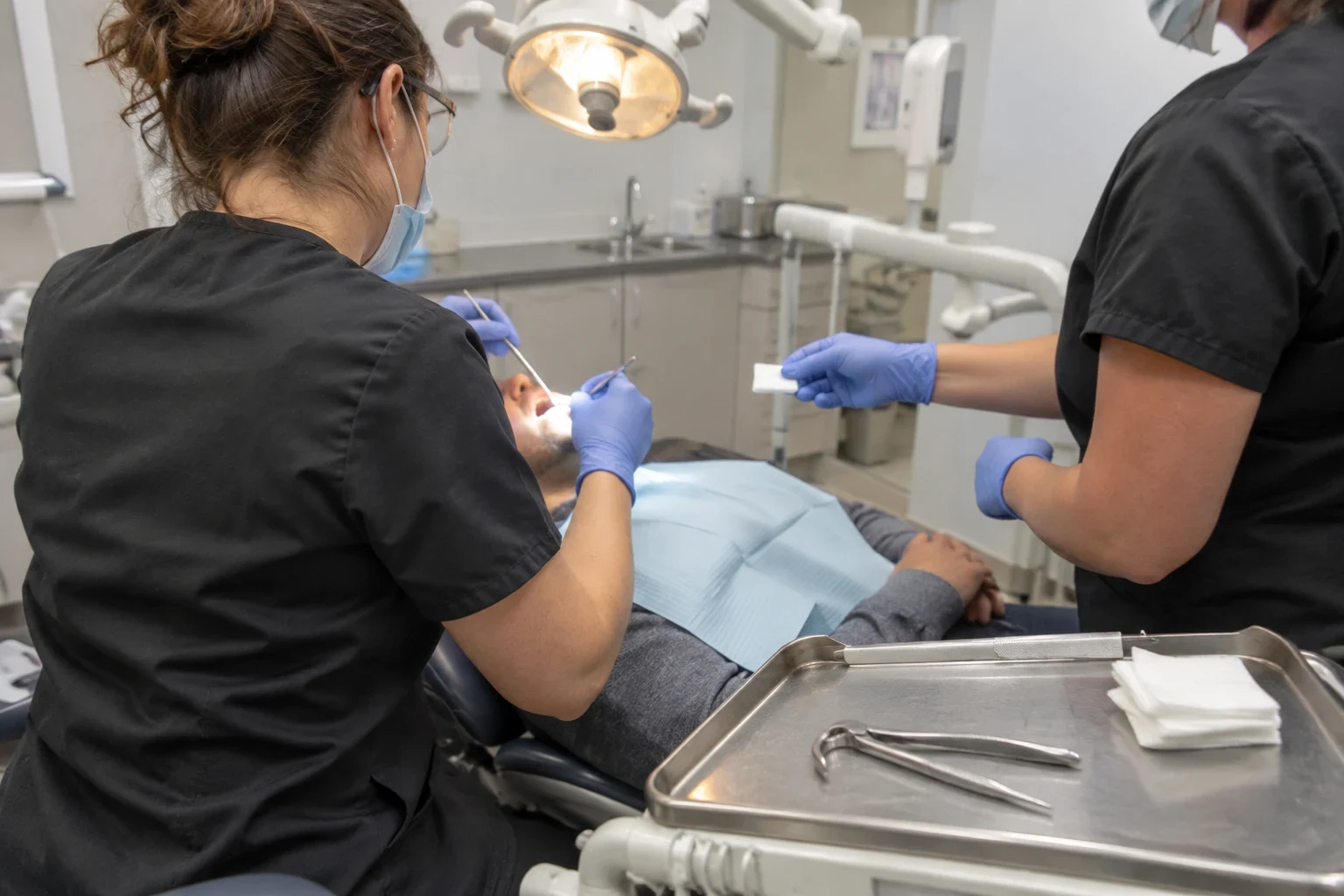
Is It Time for the Tooth to Come Out
Saving a tooth is always our first goal. When a root canal or crown can keep it healthy, you will hear that from us. Some teeth have gone too far for that: a crack running below the gumline, decay that has reached the root, an infection that returns again and again or gum disease that has left the tooth loose in the bone.
Keeping a tooth like that can allow infection to move into the jaw and the teeth beside it. Removing it with care ends the pain where it starts and protects the rest of your smile.
Many patients from Lake Dallas and nearby towns like Hickory Creek and Corinth reach us after weeks of putting up with a sore tooth. You will get an honest answer about whether the tooth can stay, plus a written treatment plan before any work begins.
What Your Extraction Includes
- Health and medication review
- Before any work, we go over your medical history and every medication you take. Blood thinners, diabetes, heart conditions and bisphosphonates all change how we plan the visit, so we ask and we listen.
- Digital X-rays and 3D imaging
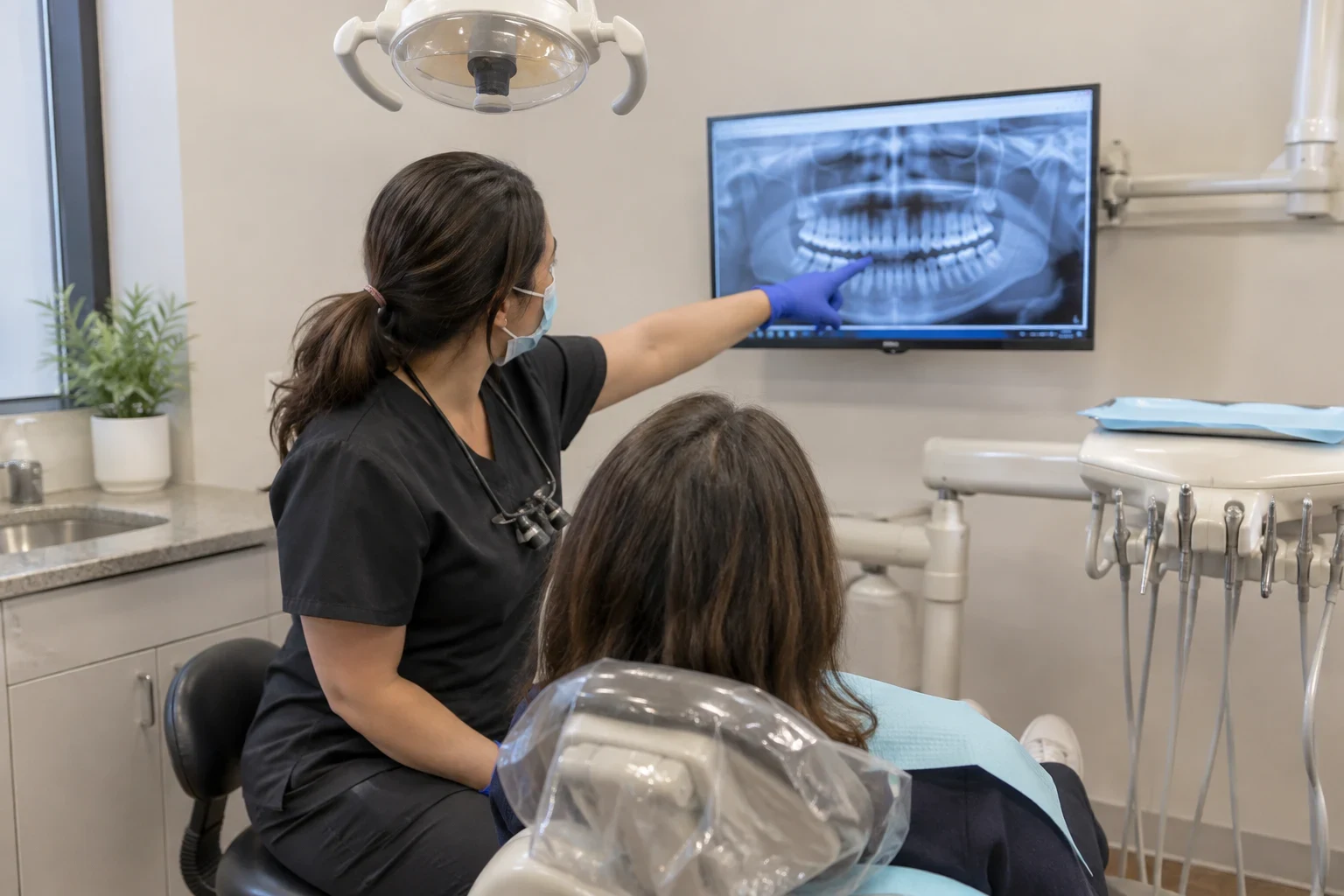
- X-rays show the shape and length of the roots and how close they sit to nerves and sinuses. When the picture needs more detail, a CBCT scan gives us a 3D view so there are fewer surprises in the chair.
- Thorough numbing
- We numb the area and test it before we begin. If you feel anything sharp, tell us and we stop and add more.
- The right removal method
- When the whole crown of the tooth is above the gum, we can often ease it loose and take it out intact. A tooth that has snapped off or has hooked roots may need a small opening in the gum or careful removal in pieces, which protects the bone around it.
- Written aftercare
- You leave with gauze, clear instructions and a number to reach us with questions while you heal.
Signs a Tooth May Need to Come Out
A tooth broken at the gumline
When there is not enough tooth left above the gum to hold a crown, removal is often the safer choice.
Swelling or a pimple on the gum
A bump that drains or a puffy cheek can point to an abscess. Infection near the root needs attention before it spreads.
A tooth that moves when you bite
Advanced gum disease can loosen a tooth until it no longer has enough bone to hold it.
Pain that keeps returning
If a tooth has been treated before and still aches, the root may be cracked. We will check whether it can be retreated or should be removed.
Crowding before dentures or implants
Sometimes a failing tooth has to be taken out so dentures fit well or a dental implant has healthy bone to sit in.
How Your Extraction Visit Goes
- 1
Exam and plan
We examine the tooth, take imaging and review your health history. You hear what we found, why the tooth should or shouldn't come out, and what replacement could look like.
- 2
Getting you comfortable
We numb the area and confirm it is working. Our sterile instruments are opened in front of you, and we explain each step as we go so nothing feels sudden.
- 3
Removing the tooth
We gently widen the socket and lift the tooth free, or remove it in pieces if the roots are curved. Most patients feel pressure, not pain. We clean the site and place stitches when they help it heal.
- 4
Protecting the clot
We place gauze and go over how to protect the blood clot that forms in the socket. Skipping straws, smoking and hard rinsing for the first few days lowers the risk of a painful dry socket.
- 5
Follow-up
We check in on your healing and, when you are ready, talk through replacing the tooth with dental implants, a bridge or dentures.
What Shapes the Price of Your Extraction
No two teeth come out the same way, so we set the price after the exam and imaging, not before. Your written estimate breaks the work into separate lines so you can see what each part covers. Our office is in-network with 15+ major PPO dental insurance plans. Bring your insurance card to the visit, and we will check your benefits and show you the share you can expect to pay before any treatment starts.
- Simple versus surgical
- A tooth that sits above the gum with straight roots takes less chair time than one that is broken off, impacted or needs to be sectioned.
- Where the tooth sits
- Molars in the back have several roots and are harder to reach, so they usually take longer than a front tooth.
- Bone grafting for a future implant
- If a dental implant is part of your plan, placing a graft in the empty socket during the same visit helps hold the bone in shape. It raises the cost of that day but can spare you a second procedure down the road.
- Insurance and payment options
- Patients without insurance can look at our in-house Membership Plan. We also offer 0% interest financing for up to 24 months, and checking for preapproval has no credit score impact.
Questions About Tooth Extractions
Something not covered here? (940) 260-3252
Will it hurt?
We numb the area completely and test it before we begin. You will notice pushing and pressure, but you should not feel anything sharp. Afterward, most patients handle a few days of soreness with the over-the-counter medicine we suggest.
How long does healing take?
Most people feel like themselves again within three to five days, and the gum closes over in a couple of weeks. The bone beneath keeps filling in for a few months. Soft foods, rest and leaving the clot alone make the first days much easier.
I take a blood thinner. Can I still have a tooth removed?
Usually yes, but please never stop a medication on your own. We look over everything you take and may check with your physician before we set a date. That step is part of keeping the visit safe for you.
Do I need to replace the tooth?
Not always, but an open space can let nearby teeth shift and the jaw bone slowly shrink. We will explain dental implants, bridges and dentures so you can choose what fits, on your own timeline.
Could a root canal save my tooth instead?
Sometimes. When the root is sound and enough tooth remains to rebuild, a root canal may be the better path, and we will say so plainly. If the tooth is cracked or too weak to hold up, taking it out is usually the safer choice.
What about wisdom teeth?
Third molars are often still tucked partway under the gum or bone, so removing them calls for its own planning. You can read how we approach them on our Wisdom Teeth Removal page.
Find Out If Your Tooth Can Be Saved
Start with an exam and imaging so you know exactly what is going on. New patients can also ask about our $89 new patient special, which includes a full exam and cleaning.